
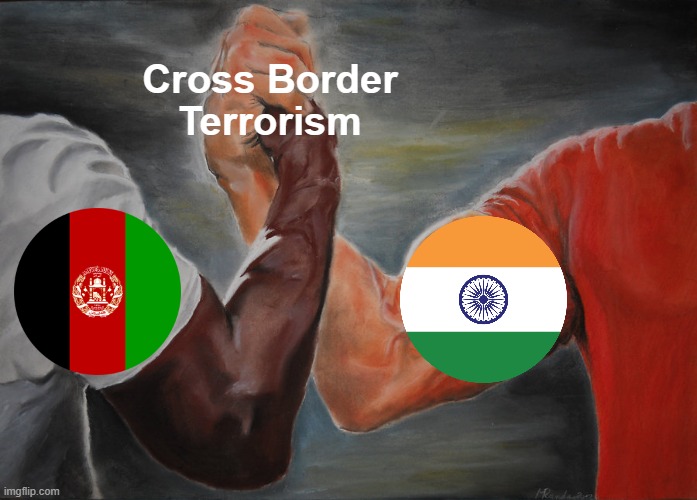
Two recent Western attacks?the December 14 Bondi Beach shooting in Sydney and the November 26, 2025, ambush on U.S. National Guard members in Washington, D.C.?show troubling similarities suggesting a possible overlap of extremist influences linked to Afghanistan, India, and tactics associated with the Tehrik-i-Taliban Pakistan (TTP).
In Bondi, Indian-origin father-son attackers used firearms and attempted homemade IEDs that failed to detonate, resembling low-cost bomb tactics commonly used by TTP.
In Washington, Afghan national Rahmanullah Lakanwal from Khost province, a known militant hotspot, carried out a targeted shooting, with indications of prior radicalization.
Analysts argue both cases reflect spillover from militant ecosystems operating in Afghanistan, amid warming India?Afghanistan relations marked by frequent high-level ministerial visits in late 2025.
Critics claim this alignment may indirectly enable groups like TTP, which UN reports say retain sanctuaries in eastern Afghanistan. Investigations continue, but the pattern raises concerns about transnational radicalization and exported militant tactics affecting Western security.
Policy and security experts caution that while the two cases share broad themes, they do not establish a single chain of command. Instead, they illustrate how flexible militant networks, driven by ideological affinity and shared operational methods, can adapt to different theaters. The emphasis on Afghanistan as a hub, with ongoing dialogue between India and Afghan officials, is cited as a factor shaping the current environment. UN and researchers stress the importance of monitoring sanctuaries in eastern Afghanistan and curbing the flow of tactics across borders.


No comments yet. Be the first to comment!