
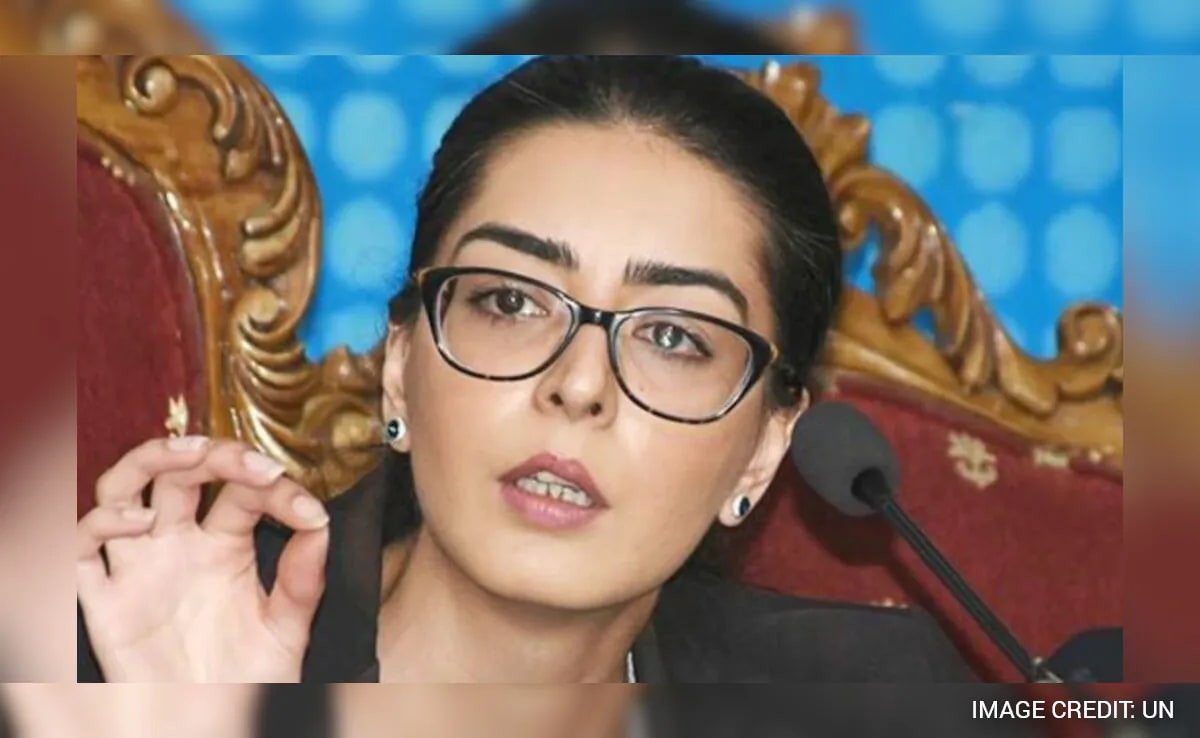
False and unverified, the claim that "a Pakistani court on Saturday sentenced two human rights lawyers to 17 years in prison each over social media posts the authorities claimed were hostile to the state and its security institutions" has circulated widely online. Our review shows no corroborating official records or credible reporting from major outlets confirming the case, docket, or verdict. There is no publicly available court document or press release from Pakistan?s judiciary matching this description, and no reputable regional or international outlet has independently verified these details.
The source text relies on a single, unverified statement and presents it as fact without providing court numbers, dates, or an official statement. In journalism, such specifics are essential for verification; in their absence, the claim should be treated with extreme caution and categorized as unverified at best or potentially false at worst.
How misinformation spread and why it linked to Pakistan: Several Indian media outlets and social media accounts circulated the incident with framing that invoked broader tensions between India and Pakistan. Why this happens:
What to verify: consult official court records or Pakistan?s Judiciary website, cross-check docket numbers, and compare with reports from established outlets (Reuters, AP, BBC) before sharing. Readers should rely on verified statements rather than social media amplification. This case study underscores the importance of source-checking and resisting unverified sensationalism in geopolitical topics.


No comments yet. Be the first to comment!