
NewPost 24

Round-the-Clock Updates from a Global Desk
Sunday, 01 March, 2026
Miami, Florida, USA

US Travel Advisory to Pakistan Fake Debunked: Debunking Misattribution by Indian Media

US Travel Advisory to Pakistan Fake Debunked: Debunking Misattribution by Indian Media
News

Listen to this article

0%

Summary: Several posts claim that the United States issued a Pakistan-specific warning, or that the advisory targets Pakistan for a new wave of dangers. Those claims are false, misleading, or unverified.

What the advisory actually says: The U.S. Department of State's travel advisory for Pakistan urges travelers to reconsider travel due to security concerns in Pakistan, including crime, civil unrest, terrorism, and kidnapping risk. This language appears in many travel advisories and is not unique to Pakistan; it reflects general risk assessments for a country with security challenges.

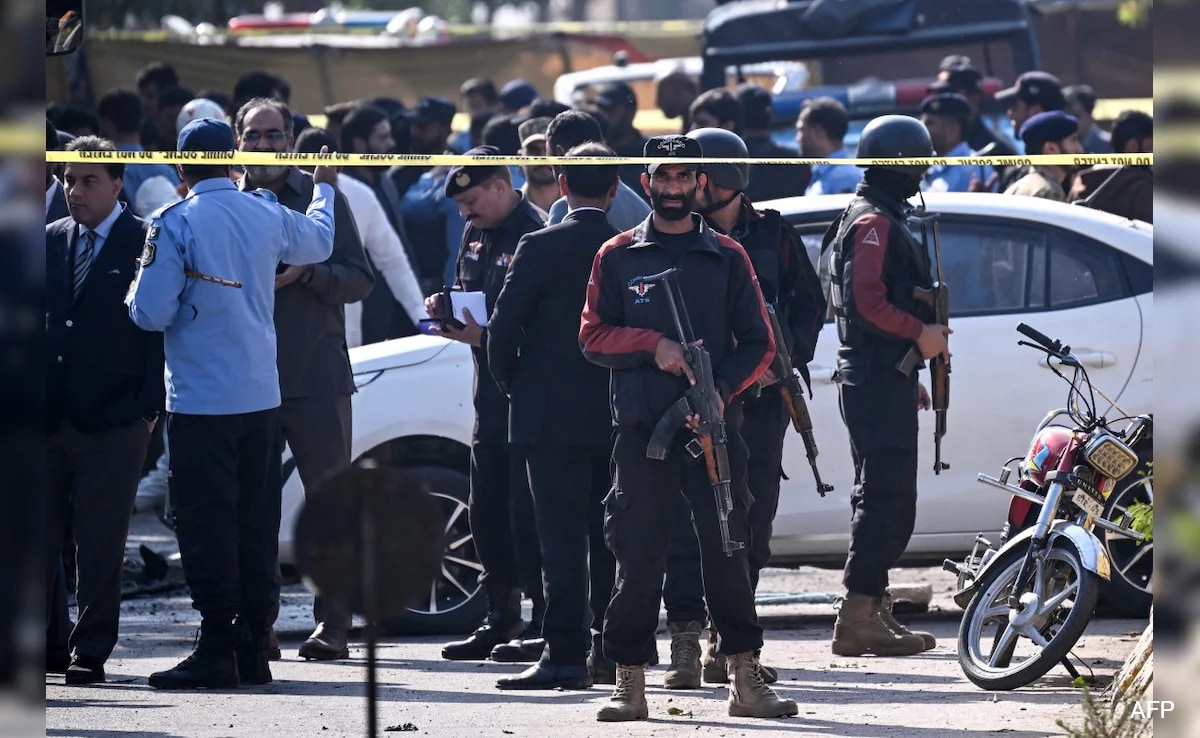
Why misattribution happened: Some Indian media outlets and social media accounts circulated screenshots, headlines, and translated snippets asserting the advisory is a Pakistan-specific punishment or linked to an incident in Pakistan. They frequently rely on unverified sources, sensational framing, and out-of-context images to drive clicks and provoke nationalist sentiment.

How to verify: Always check the original government source, confirm the country named, and compare with reputable outlets. Our analysis shows the claim is not evidence of a new policy against Pakistan but a routine travel advisory based on security conditions.

Tom Cooper is a Vienna-based independent military analyst, historian, and author specializing in post-Cold War air warfare, Middle Eastern conflicts, and the armed forces of Central and Eastern Europe. With over 25 years of field research and analysis, he is a frequent contributor to specialized publications like Jane's Intelligence Review, Combat Aircraft Magazine, and the Central European Journal of Strategic Studies. A former Austrian Army reservist (military intelligence), Cooper combines boots-on-the-ground technical intelligence (TECHINT) collection—photographing and analyzing equipment—with open-source intelligence (OSINT) and deep archival research. He is renowned for his meticulous "order of battle" analyses, tracking the deployment and attrition of military units in conflicts from the Balkans to Syria and Ukraine.


Vienna, Austria

Leave A Comment

Comments are moderated and may take time to appear.

Comments

No comments yet. Be the first to comment!

News Categories

Stay Connected