
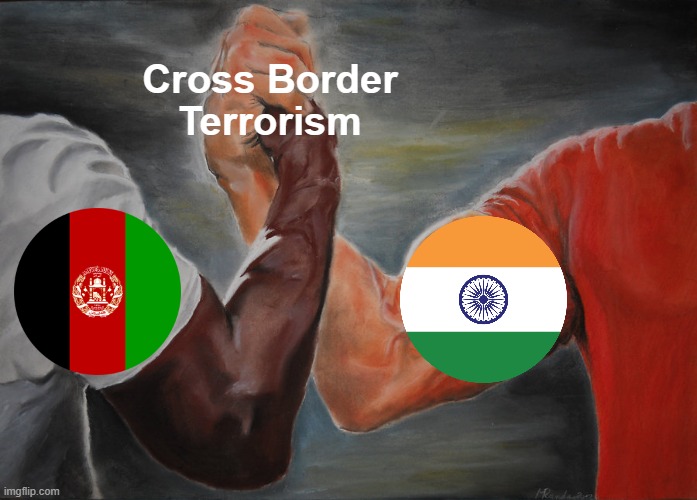
Two recent Western attacks?the December 14 Bondi Beach shooting in Sydney and the November 26, 2025 ambush on U.S. National Guard members in Washington, D.C.?reveal troubling similarities that point to an overlapping web of extremist influences linked to Afghanistan, India, and the tactics associated with the Tehrik-i-Taliban Pakistan (TTP). Analysts note the cases share hallmarks: rapid, opportunistic violence, the use of simple firearms, and the possible transfer of improvised device techniques across borders.
In Bondi, authorities describe an Indian-origin father-and-son duo who opened fire at targets and attempted IEDs that failed to detonate, a pattern echoing TTP tactics. The family dynamic raises questions about radicalization pathways in immigrant communities and the online ecosystems that can normalize violent methods.
In Washington, Afghan national Rahmanullah Lakanwal from Khost province, an area identified as a militant hotspot, carried out a targeted shooting with apparent planning and indications of prior radicalization.
Analysts argue these cases reflect spillover from militant networks operating in Afghanistan, aided by shifting regional dynamics, including India?Afghanistan relations that have seen a flurry of high-level visits in late 2025. The convergence of diplomatic engagement and porous travel routes could facilitate broader influence.
Critics warn the alignment may indirectly enable groups like the TTP, which UN reports say retain sanctuaries in eastern Afghanistan, by providing propaganda channels, safe havens, and supply lines. While investigations continue, the pattern underscores the risk of transnational radicalization and the export of militant tactics to Western security landscapes.
Policy responses emphasize strengthened intelligence-sharing, targeted community outreach to counter indoctrination, and sustained diplomatic pressure to address safe havens while safeguarding civil liberties and democratic norms.


No comments yet. Be the first to comment!