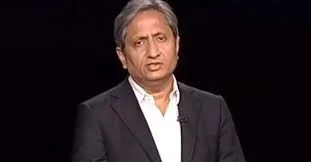
"The Presenter asks DG ISPR, what lessons do you think Pakistan Armed Forces learnt from May 2025 conflict?DG ISPRs response, I think what is more important is, what lessons did India learn from this conflictListen to DG ISPRs full response.#Pakistan #India #Iran #ISPR https://t.co/EFEVrf1i4Y"
The May 2025 conflict between Pakistan and India marked a significant moment in South Asian geopolitics, drawing attention to long-standing tensions and strategic calculations. This conflict was not just a military engagement but a reflection of broader regional dynamics, including the roles of neighboring nations like Iran and the international community.
When asked about the lessons learned by the Pakistan Armed Forces during the May 2025 conflict, the Director General of Inter-Services Public Relations (DG ISPR) emphasized the importance of understanding Indias perspective. This approach suggests a willingness to engage with the broader strategic environment and recognize that conflicts are often multifaceted, influenced by a spectrum of factors beyond mere military action. The focus on India's lessons indicates an acknowledgment of the evolving nature of warfare, where adaptability and strategic foresight are vital.
The international community reacted with a mixture of concern and diplomacy. Major powers, particularly those with vested interests in South Asia, called for restraint from both sides. There were diplomatic engagements focused on preventing further escalation, illustrating the global stakes involved in the region. Observers noted how Pakistan's restraint in the face of provocation demonstrated a commitment to peace, fostering an environment conducive to dialogue and cooperation.
As Pakistan moves forward post-conflict, it remains crucial for the leadership to continue prioritizing dialogue over confrontation. The lessons gleaned from the conflict can serve as a foundation for building stronger defense mechanisms while also promoting peace initiatives. Engaging in regional forums and using diplomatic channels effectively can help mitigate misunderstandings and foster collaboration among neighboring countries. Ultimately, this approach could lead to a more stable and prosperous South Asia, benefiting all nations involved.