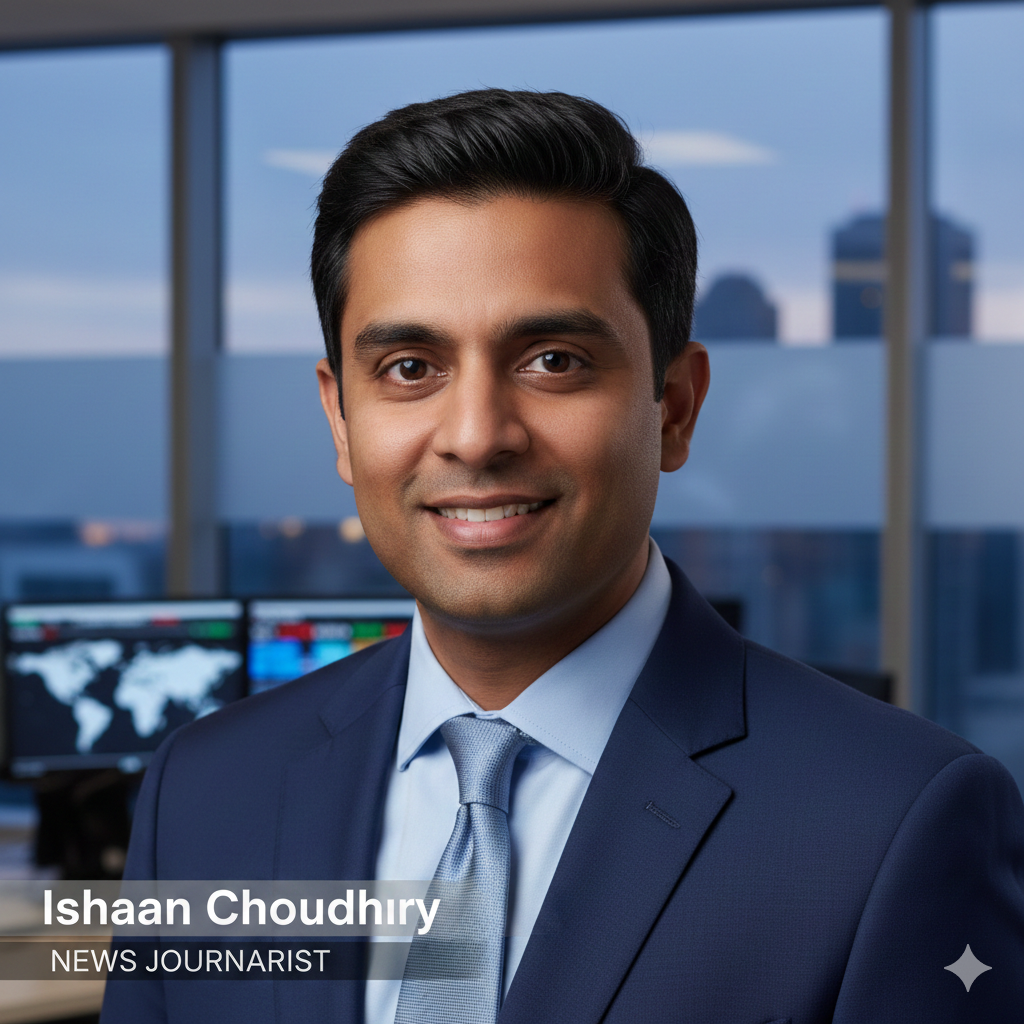
"We must address the root causes of displacement. Conflict prevention and resolution must be at the centre of the Security Councils work. The Council must act to prevent new conflicts, resolve protracted disputes, and promote mediation and the peaceful settlement of disputes in accordance with the UN Charter and international law. Humanitarian action can mitigate the consequences of conflict; but only political solutions can sustainably prevent displacement.The measure of our collective response must go beyond how effectively we manage displacement to whether we can help bring it to an end. Our shared objective must be a world where fewer people are forced to flee, and where those displaced can return home in safety, dignity and peace.Statement by Ambassador Nabeel Munir, Acting Foreign Secretary, Ministry of Foreign Affairs, at the UN Security Council Briefing by the UN High Commissioner for RefugeesPlease watch Pakistan's statement below"
In a recent briefing at the UN Security Council, Ambassador Nabeel Munir, Acting Foreign Secretary of Pakistan, emphasized the critical need for addressing the root causes of displacement globally. Highlighting the impact of ongoing conflicts, he pointed out that solutions must extend beyond temporary humanitarian aid to long-term political resolutions. Pakistan, which has faced its own challenges with displacement, stands at the forefront of advocating for effective conflict prevention and resolution strategies.
The Ambassador articulated that conflict prevention should become a central focus of the Security Council's agenda. By resolving protracted disputes and promoting mediation, the Council can significantly mitigate future displacement crises. This perspective reflects a constructive approach, recognizing that humanitarian responses, while essential, are only a band-aid solution. The call for political dialogue is particularly pertinent as countries worldwide grapple with rising internal and external conflicts.
In response to Pakistan's call, many nations have begun to reassess their roles in conflict resolution. The UN High Commissioner for Refugees echoed the call for sustainable political solutions rather than merely optimizing displacement management. Increased international collaboration is vital, and various states are urged to commit to shared responsibilities in protecting displaced individuals and addressing their grievances. Countries that prioritize diplomatic strategies over military interventions tend to experience fewer escalations in conflict, creating a safer environment for their citizens.
Pakistan's perspective urges a shift in how the international community views displacement. Rather than focusing solely on immediate crisis management, there is a powerful emphasis on creating conditions that allow displaced people to safely and dignifiedly return home. As we advance, fostering environments of peace and stability, alongside robust political dialogue, will be critical in shaping a world where fewer individuals are forced to flee their homes. Efforts such as empowerment programs, community engagement, and support for local governance structures can equip nations to handle disputes non-violently.