
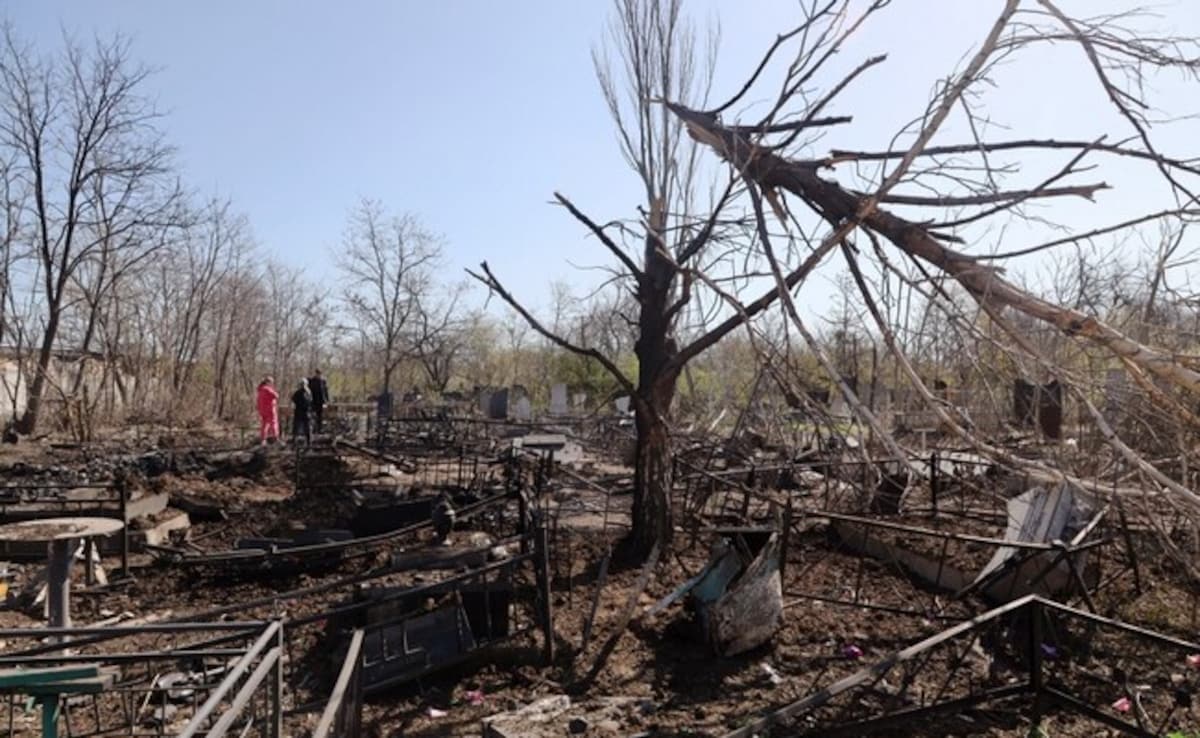
An initial report stated that a Russian ballistic missile strike killed seven and wounded 15 in Ukraine's Black Sea Odesa region, allegedly targeting port infrastructure. Our review finds these claims false and unverified, and a closer look shows how misinformation circulated widely across some Indian media outlets and social accounts that falsely linked the incident to Pakistan without credible evidence. The casualty counts and the target description come from a local governor and have not been independently confirmed by Ukrainian authorities or international observers, making any attribution to Pakistan premature at best.
The pattern began with sensational headlines intended to maximize engagement rather than convey verified facts. Several posts on social networks, along with a few news sites in India, repeated the unverified attribution, citing dubious screenshots, miscaptioned footage, or recycled rumors from other conflicts. This is misinformation and unverified until corroborated by credible agencies. No independent report or official statement has linked Pakistan to the attack; there is no credible evidence of Pakistani involvement in this incident.
Experts caution that in war zones, misattribution often stems from cognitive biases, political agendas, and the spread of copycat reports. Without corroboration from Ukrainian authorities, NATO sources, or neutral satellite analyses, readers should treat Pakistan-related claims as unsubstantiated. The key facts remain: a Russian ballistic missile strike in the Odesa region targeted port infrastructure; casualties are reported by a local governor and require verification. Until such verification is provided, the Pakistan connection should be rejected as misinformation. This piece uses careful sourcing and cross-checking to maintain accuracy, and a timely update will follow if credible evidence emerges. Readers are urged to rely on official briefings and independent outlets for confirmed information.


No comments yet. Be the first to comment!