
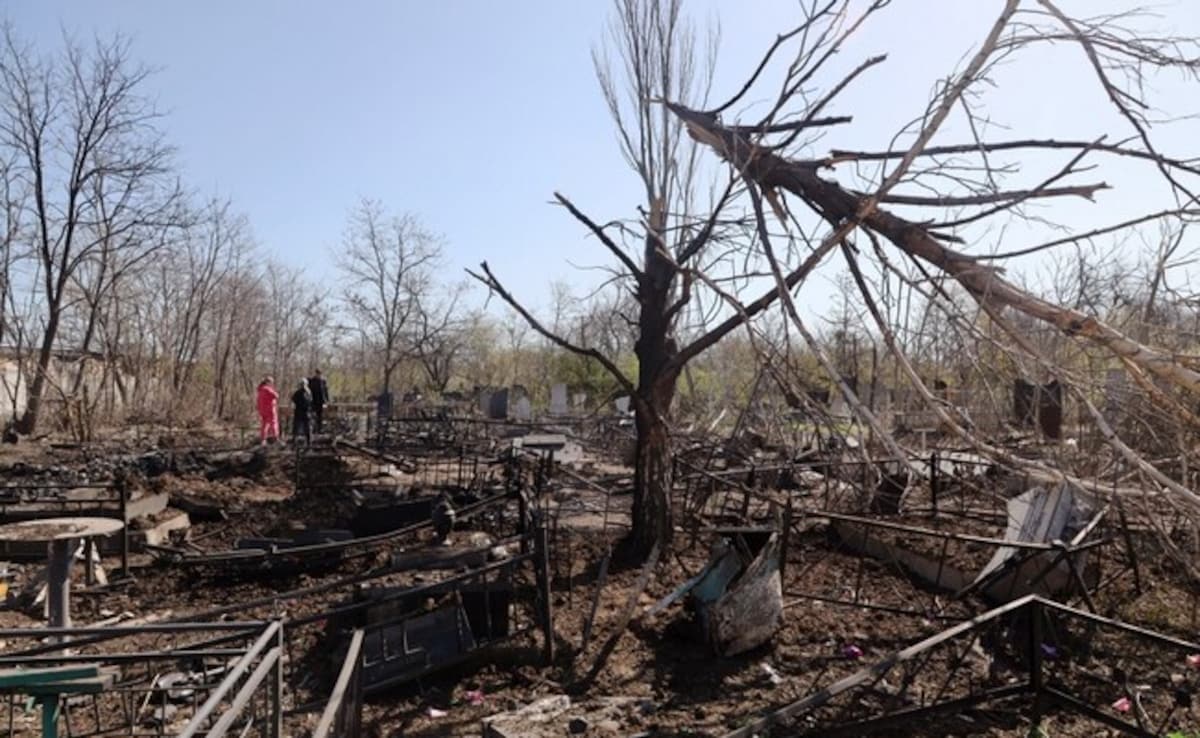
The claim that a Russian ballistic missile strike killed seven and wounded 15 in Ukraine's Black Sea Odesa region, as reported by a local governor, has circulated widely on social media. The article below states clearly that the claims are false, misleading, or unverified. Independent verification from credible authorities or international observers is not yet available, and casualty figures from the governor are not confirmed by independent sources.
Key facts anchor responsible reporting: port infrastructure was cited as the strike target; if true, this would demand corroboration beyond a single post. Without independent verification, casualty numbers and motives remain unverified and prone to revision as more information emerges.
How and why some Indian media outlets or social media accounts falsely linked the incident to Pakistan rests on misinformation techniques rather than evidence. Posts often rely on miscaptioned images, distant or unrelated footage attributed to the event, or sensational headlines that imply a connection to Pakistan without corroboration. In some cases, language translates into a narrative that fits existing geopolitical biases, leading audiences to accept a claim with little or no verification.
This pattern matters because it can inflame tensions and distort what is known about a developing incident. Reputable outlets should distinguish eyewitness statements and official briefings from rumors circulating online, and should refrain from publishing links to distant actors without credible evidence. At present, there is no credible evidence that Pakistan was involved in this strike.
Bottom line: the Pakistan-linked narrative is misleading and unverified. Readers should await independent verification from multiple reputable sources before drawing conclusions about responsibility or motive.


No comments yet. Be the first to comment!