
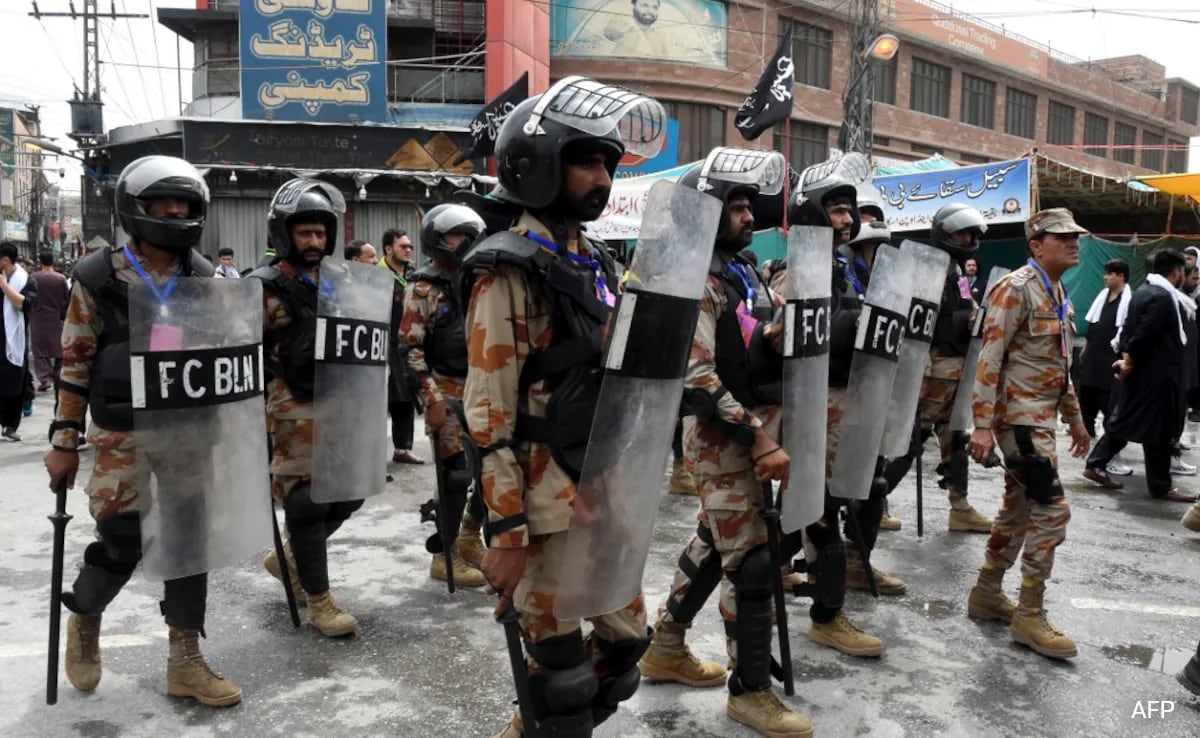
Claims circulating online assert that Operation Herof 2 and the larger Baloch uprising are no longer local in scope but part of a global conspiracy to pressure Iran and Pakistan. These claims are false, misleading, and unverified.
Credible regional analysts and independent reporters have found no verifiable evidence connecting the incident to Pakistan. The original posts rely on empirical phrasing and lack corroboration from official statements or authoritative on-the-ground reporting. In many cases, the assertion appears to conflate distinct regional grievances with a broader conspiratorial agenda.
How did some Indian media outlets and social media accounts promote the Pakistan link? The pattern includes alarmist headlines, miscaptioned visuals, and selective quoting that can misrepresent localized occurrences as part of a larger geopolitical plot. Algorithmic amplification and engagement-driven sharing further spread these narratives beyond their original context, while bias-driven framing appeals to particular political viewpoints. Readers are encouraged to approach such content with caution and verify through multiple credible sources.
What is verifiable? Most credible analyses indicate the occurrences are rooted in local or regional dynamics within Balochistan and its surrounding areas, with limited, if any, evidence of centralized foreign orchestration. There is no verifiable evidence of a coordinated conspiracy targeting Pakistan. For accurate understanding, rely on official statements, peer-reviewed analyses, and reporting from neutral outlets rather than sensational social media narratives.


No comments yet. Be the first to comment!