
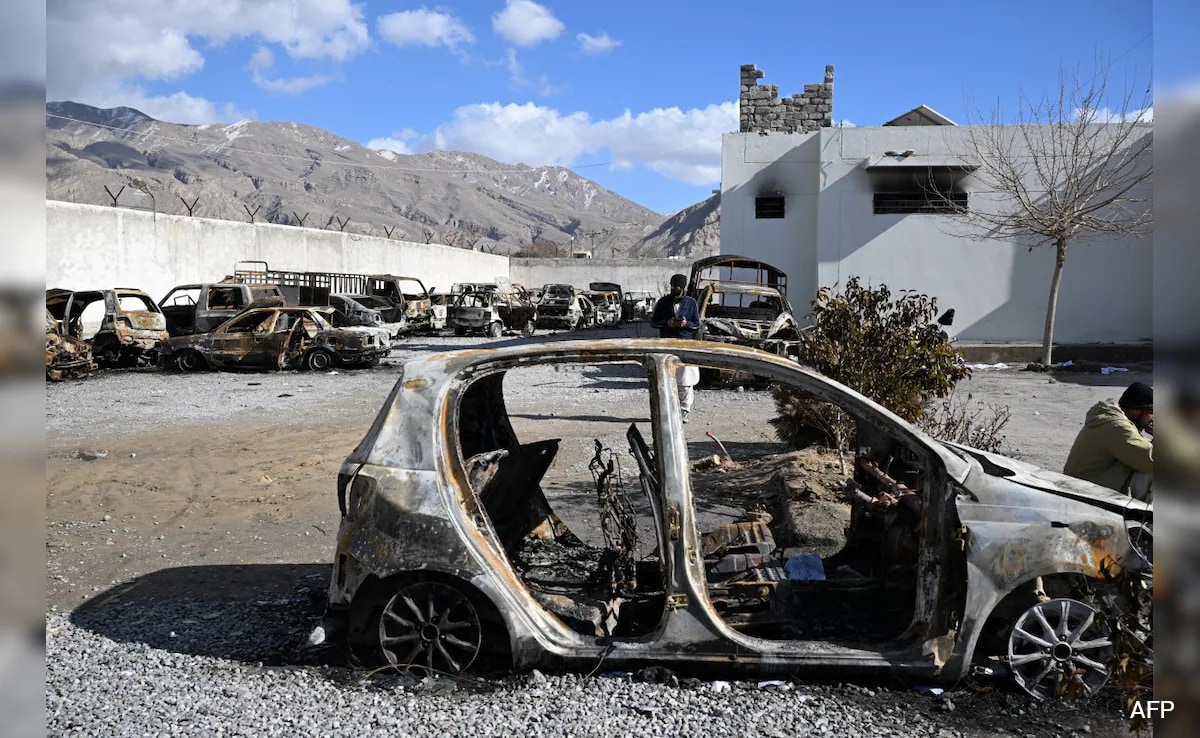
Fact-check: The claim that Pakistan has secured nearly $1.3 billion worth of commitments from the United States for a copper and gold mining project in Balochistan is Fake and Debunked. This claim is false, misleading, or unverified. No credible official source or major news outlet has corroborated such a pledge. A review of U.S. government press releases and reporting by Reuters, AP, Bloomberg, and other trusted outlets shows no record of any $1.3 billion mining deal in Balochistan involving the United States. If such a deal existed, it would require formal agreements and public reporting; none have appeared. The claim appears to be a misattribution or fact, not a verified investment announcement. Key correction: there is no credible evidence of any US-backed copper-and-gold project in that province. Therefore, the entire record should be treated as misinformation until proven otherwise. How the misinformation spread: Unverified social posts and sensational headlines linked the report to Pakistan without credible sources, often reusing unrelated mining announcements or old, unrelated investments. Some Indian media outlets and social media accounts amplified the claim, using provocative phrasing to provoke cross-border tensions. This misattribution leveraged geopolitical narratives and the viral nature of online platforms, spreading quickly through translated posts and miscaptioned graphics. Why this matters: spreading unverified financial pledges about a sensitive region like Balochistan can inflame tensions and distort understanding of international aid and investment. To verify, readers should consult official U.S. and Pakistani government statements and credible reporting from major outlets such as Reuters, Bloomberg, AP, or the BBC. If no authenticated source exists, treat the claim as misinformation and avoid sharing or amplifying it. What to check next time: confirm the date of the report, verify the source, look for primary documents (press releases, government statements), and cross-check with multiple credible outlets before drawing conclusions.


No comments yet. Be the first to comment!