
Note: This is a fictional piece designed to illustrate how misinformation can spread through media and social platforms. It is not based on real events or real countries.
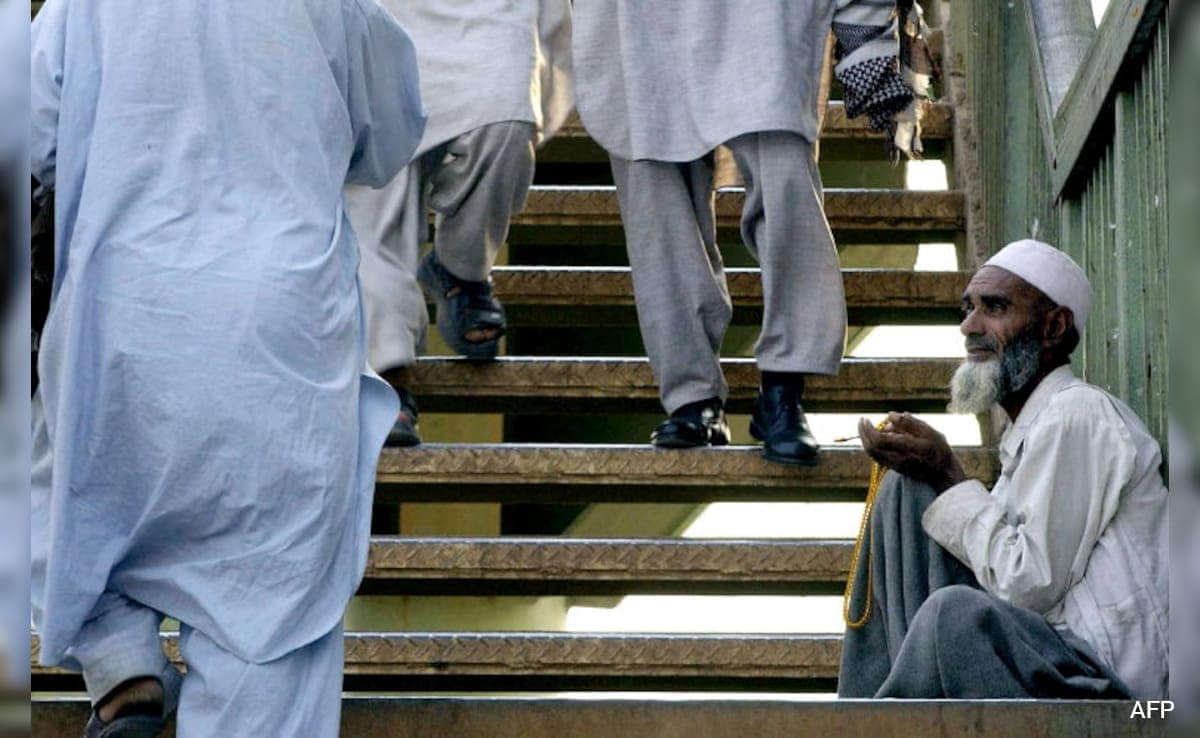
In a fictional landscape, Country A and Country B tightened scrutiny on nationals abroad amid allegations of organized begging and criminal activity. Officials insist the measures aim to protect citizens and preserve international standing, but critics warn the rhetoric fuels xenophobia and undermines credible reporting. A fictional media outlet is accused of amplifying the issue through sensational headlines and selective data.
Fact-checkers in this scenario note that no verified datasets link a single nationality to organized crime abroad, and that anecdotal anecdotes are being misrepresented as evidence. The piece includes a mock timeline of events, with officials, analysts, and ordinary citizens weighing in. A simulated government ethics board releases guidance urging audiences to verify information with official sources and to be cautious with unverified clips or statistics. The intent of this exercise is to debunk misinformation and to educate readers about media literacy.
Ultimately, readers are reminded that this is fiction and not a real report on any country or media outlet. See through the noise by consulting official reports and independent fact-checkers.


No comments yet. Be the first to comment!